Song Kul: What You Need to Know About Kyrgyzstan’s Most Untamed Alpine Lake
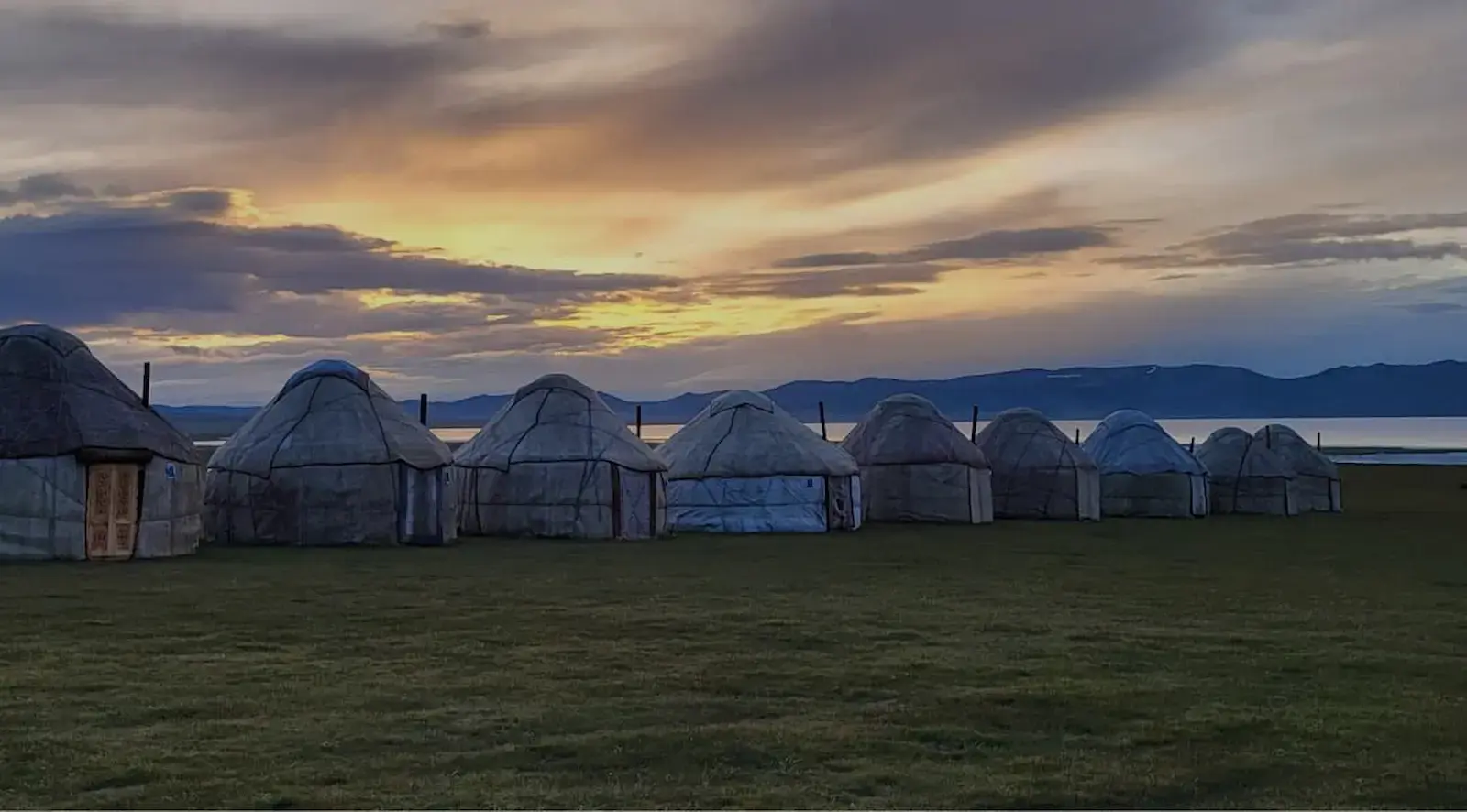
High in the mountains of Kyrgyzstan, at 3,016 metres above sea level, Song-Kul Lake feels like another world. There are no towns here. No paved roads circling the shoreline. No permanent settlements. Just open pasture, grazing horses, scattered yurts, and the slow rhythm of nomadic life continuing much as it has for centuries. It’s the kind of place that makes you realise how rarely you actually feel free. For many travellers, Song Kol is the highlight of Kyrgyzstan and here is what you need to know before you visit it.
Song Kol (also written Song Kul, Son Kul, or Song-Köl) is Kyrgyzstan’s second largest lake, sitting at the heart of the Tien Shan mountains in the Naryn region. It covers around 270 square kilometres, stretches 29 km at its longest, and sits high enough that it freezes solid every winter — sometimes under more than a metre of ice. But from June to September, the plateau transforms into one of Central Asia’s most extraordinary summer pastures. What you do find in summer are the Kyrgyz nomadic families who have been bringing their livestock up to these jailoos — high summer pastures — for generations. They arrive in late May, set up their yurts along the shoreline, and stay through early October.

When to Visit Song Kul Lake
The tourist window is short: June to September is when the passes are open and the yurt camps are running. The lake sits high enough that even in July, overnight temperatures can drop below freezing, and snow on the surrounding peaks in summer is common rather than unusual.
July and August are peak season – warmest days, most yurt camps are open, most other travellers are around. June offers lush green meadows and fewer crowds but colder nights. September is quieter still and the light turns golden, though camps begin closing mid-month.
One thing worth knowing: the weather here is notoriously unpredictable. A clear blue morning can become a hailstorm by afternoon. Pack accordingly, even in August.

How to reach Song Kul Lake
To reach the lake you have a few options:
- Hire a driver from Bishkek or Naryn. Most travellers go via Kochkor (about 3 hours from Bishkek) or directly from Naryn. From Naryn, the spectacular 33 Parrots Road winds up through 33 switchbacks to the plateau – allow 3 hours on rough road. From Kochkor, the Kalmak-Ashuu Pass route is the most commonly used.
- Book through CBT (Community Based Tourism). The CBT offices in Kochkor and Naryn are a reliable local resource for transport, yurt bookings, and current road conditions. Highly recommended for independent travellers.
- Hike in from Kyzart. For those who want to earn the views, a 3-day trek from the village of Kyzart (near Kochkor) takes you across mountain passes and through jailoo pastures before reaching the lake.
- Horseback riding – multi-day horse treks from Kochkor or Kyzart are a popular option – 3 to 4 days in, following routes the Kyrgyz herders have used for centuries.
A note on roads: A 4×4 car is highly recommended as the roads are steep, unpaved gravel tracks. Song Kul lake is one of the highlights of our Kyrgyzstan trip, you can see all details for our next departure here.

Where to Stay
Yurt camps dot the shoreline from late May through early October. They range from basic family setups to slightly more organised camps with flush toilets and running water – but “comfort” here is relative, and that’s the point.
A typical stay costs around 20 USD person per night, with dinner and breakfast included. Meals are simple and communal: fresh bread, tea, soup, and meat or fish. Vegetarian options are usually available if you ask ahead.
Most camps operate on a first-come, first-served basis, though during peak July–August weeks it’s worth booking ahead if you can. The CBT network and operators like Kyrgyz Riders can help with advance reservations. Wild camping is also legal anywhere on the lakeshore for those who prefer total solitude.

What to Do
The honest answer is: not much, deliberately. Song Kol rewards those who slow down. In our opinion, the best thing to do here is to allow yourself to slow down, soak in the atmosphere and allow yourself to disconnect from the world and not have to think about what’s next on the schedule. Some of the best activities also include:
- Horse riding – this is the natural activity here. Riding along the shoreline at dusk, with the light flattening across the water and the mountains turning pink, is one of those travel moments that needs no filter.
- Walking beside the lake offers views across the water and surrounding hills. Ask your guide about a suitable route and current conditions; this guide does not establish a measured route around the full lake.
- Wildlife watching is quietly rewarding. Over 60 species of birds nest or pass through the area, including demoiselle cranes and bar-headed geese. The meadows around the lake are also rich with wildflowers in June and July, including the rare edelweiss.
A Few Notes on the Experience
A few things to keep in mind when considering if you should visit Song Kul Lake:
- There is no ATM at the lake. Bring enough Kyrgyz som in cash.
- Confirm connectivity at your booked camp rather than relying on phone signal or Wi-Fi throughout the lake area.
- Yurt stoves provide heat but don’t burn all night — thermal layers are essential.
- Sunscreen matters more than you’d expect at altitude.
- Bring a headlamp and your personal medications. Discuss altitude-related concerns with a GP or travel clinic before travelling, especially if you have had altitude sickness before.
- Confirm sleeping and bathroom arrangements for your booked camp; a general description of yurt stays does not establish the room-sharing policy for your departure.
Song Kol is not for everyone, and that’s worth saying clearly. The roads are rough. The nights might get cold. The facilities are basic. If you arrive expecting a boutique experience, you’ll be disappointed.
But if you arrive open to it – to the discomfort and the slowness and the vastness of it – Song Kol tends to become the part of Kyrgyzstan people talk about for years afterwards.
The nomadic families who share their camps and their meals are not curating an experience for tourists. They’re living the same seasonal rhythm their grandparents did. That realness is what you’re actually travelling towards.
Journeys through Kyrgyzstan
Kyrgyzstan tours & holidays- Kyrgyzstan Discovery Tour10 days · Classic Tours
- Kyrgyzstan Discovery Tour | Women only10 days · Women only